 Channel Manager
 Direct Booking Engine
 Metasearch
 Insights
 Dynamic Revenue Plus
 Channels Plus
 Property management system
 Payments
 Guest Engagement
 Mobile App
 Website Builder
 Hotel App Store
 Booking Channels
 Partner Programs
 Customer Stories
 Blog
Blog Templates
 eBooks
 Events

 English
 Reading time 5+ mins
What is small hotel housekeeping?
Small hotel housekeeping covers the daily processes that keep guest rooms, common areas, and back-of-house spaces clean, sanitary, and well-presented. In a small property, this typically falls to a lean team handling everything from room turnovers and linen changes, to restocking amenities and responding to maintenance issues.
Housekeeping in a small hotel essentially comes down to being an invisible task. If a guest never raises a complaint about the condition of their room or their service, then you’re doing housekeeping right. Housekeeping is one of the most demanding parts of small hotel management, especially when you’re working with a small team. In this guide, we’ll cover why it matters so much, the core duties involved, a practical room cleaning checklist you can adapt for your property, tips for working smarter with limited resources, how to train your team, and the software that can help you stay on top of it all.
Housekeeping and other tasks made easier
Want to streamline your day-to-day processes? Explore how an all-in-one management system can improve the efficiency of hotel operations.

Why is small hotel housekeeping important?
Small hotel housekeeping is important because it can make or break your hotel brand and reputation, and eventually your occupancy and revenue.
Cleanliness is consistently the number one factor guests mention in reviews and in a small property, there’s nowhere to hide. A large hotel might absorb one poorly cleaned room across 200; in a 10-room property, that’s 10% of your inventory generating complaints. Those complaints hit your OTA ratings, suppress your ranking, and reduce future bookings. On the flip side, consistently clean rooms drive the kind of positive reviews that compound into higher occupancy and stronger rates over time.
What are the key small hotel housekeeping duties and responsibilities?
TSmall hotel housekeeping duties centre on ensuring no trace of a previous guest remains and every room is completely clean. This includes the bedroom, the bathroom, the wardrobes, and the storage areas. In a small property, these tasks often fall to one or two people, which makes having a clear sequence and efficient workflow that much more essential.
Daily housekeeping tasks typically include:
- Cleaning guest rooms of dirt, dust, marks, stains, smells etc.
- Cleaning and sanitising bathrooms
- Removing rubbish and debris from rooms
- Removing dirty towels and linen
- Removing used amenities
- Replenishing supplies such as rubbish bags, bar fridge, snacks
- Making beds, replacing linen and towels
- Cleaning and tidying common areas such as hallways or entrances
- Ensuring all extras and add-ons that were included in the booking are ready for the arriving guests
The task list is generally the same regardless of property size, but what changes is how you move through it. When you’re the only person cleaning, a consistent room-by-room routine saves significant time. Start by stripping the room: remove anything dirty or used. No one wants to check into a room with a wet bath towel hanging on the rack.
Next, do an inventory check so you can gather all replacement items like linen, towels, toiletries, snacks, ideally in one trip for maximum efficiency. This is especially important if your storage isn’t on the same floor as your rooms.
Then clean. Bring all supplies into the room at once. Work top to bottom and bedroom before bathroom to avoid cross-contamination and backtracking.
Once the room is cleaned, place all fresh items and do a final walkthrough to confirm that everything the arriving guest was promised in their booking is in place, including any extras or add-ons.
What should be included in a small hotel room cleaning checklist?
A hotel room cleaning checklist should cover basics like changing linen and towels, making the bed, dusting, vacuuming, emptying bins and sanitising surfaces. A particular focus should be placed on the bathroom (toilets, showers, sinks), high-touch areas (switches, remotes, handles), high use areas (benches, bedside tables) and noticeable areas (mirrors, windows, high gloss surfaces). The checklist should also include restocking of toiletries and in-room amenities like tea, coffee and stationery, and doing whatever needs to be done to leave the room guest-ready.
The importance of a hotel housekeeping checklist
- According to YouGov, 67% of guests say that cleanliness is the most important factor when choosing a hotel; more important than even price and location.
- Hotels that adopt structured housekeeping checklists and workflows report around 30% fewer guest complaints.
- Employee turnover in hospitality exceeds 70% annually, highlighting the need for processes that maintain quality standards and are simple to follow for new hires.
For small, independent hoteliers, a clear and consistent cleaning process ensures you deliver the same high standards across every room. A well-structured checklist protects your reputation and ensures every guest has a positive experience. It streamlines your operations, removes any cleaning guesswork, and makes it far easier to onboard new cleaners.
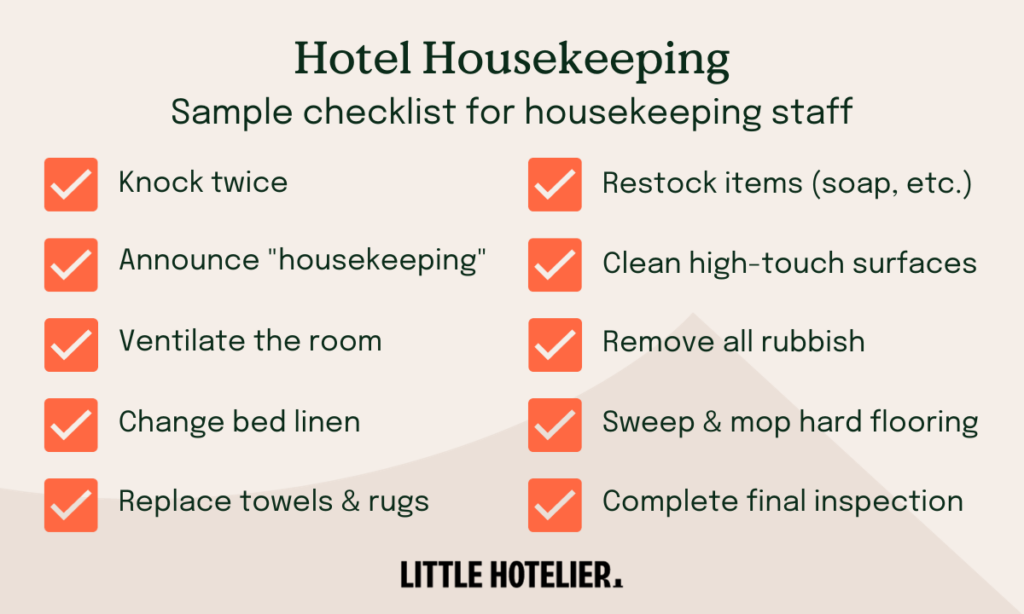
With all that in mind, here’s an example of a practical hotel room cleaning checklist you can adapt for your own property:
Knock twice
Ensure guests have checked out by knocking once, waiting a moment for an answer, then knocking again. Knock firmly to ensure the guest can hear you.
Announce “housekeeping!”
Even when you knock firmly and knock twice, people who are hard of hearing, who are sleeping soundly, or who are in the bathroom or another room, may not answer. To ensure your presence is known, when you open the door, loudly say “housekeeping” to alert any guests to your presence.
Ventilate the room
Hotel rooms can get stuffy, particularly if guests have stayed for multiple days and haven’t left the room much. Let fresh air in by cracking the windows and leaving the front door open while you clean. If it’s a nice day – not windy, rainy or too cold – and new guests are due, you can also leave the windows slightly open when you leave.
Change bed linen
Switch out all used bed linen (including the comforter/duvet cover) for freshly laundered items. Check the used linen, mattress and mattress protector for signs of wear, tear and issues, and note down and/or dispose of any items that are irretrievably damaged.
Replace towels and rugs
Switch out any other laundered items, such as bath towels, hand towels, face washers/flannels, bath mats and tea towels/dish towels. Once again, check for signs of damage and note down any that you find.
Restock items
Replace any used or opened bathroom items (soaps, toiletries, toilet paper), refill complementary kitchenette items (tea, coffee, sugar, milk, snacks), and restock any used items from the minibar, noting what has been taken. Some guests will use minibar items then purchase them from a supermarket to restock the fridge themselves, so be careful to check that the items match the stock list not just in terms of quantity, but brand and size too.
Clean surfaces
Dust and wipe down all surfaces to ensure all are free of marks, smudges and residue. Take particular care with high-touch and high-use areas, and with transparent, glossy or mirrored surfaces that can get noticeably dirty. If the exterior windows need a clean, note that down in the system for the front office to follow up.
Remove all rubbish
Take out the trash, separating landfill/recyclables/organics where necessary, and put in new bin liners. Check under beds and behind furniture to ensure that no litter is accidentally left behind.
Vacuum, mop and sweep
Clean the flooring by vacuuming the entire room – including those hard-to-reach places like under the bed and behind furniture – and mopping the bathroom and any other hard surfaces. Sweep any balconies or outdoor areas as necessary.
Complete the final inspection
Make the room guest-ready, and ensure a great first impression, by adding the difference-making touches like a welcome note, a small gift or an eye-catching towel sculpture. These small efforts can make all the difference to a guest’s first impression of the hotel, so consider making this a standard process for every single room, rather than just a treat for guests celebrating a special occasion. Review the checklist to ensure every box is ticked.
What are some small hotel housekeeping tips and tricks?
There are a number of housekeeping tips and tricks that can save you time and money while enhancing the experience you offer guests. These include protecting high-use items, instilling a sense of pride in your housekeeping team, and cleaning rooms in the most efficient order possible.
You should know exactly how long it takes to completely turn a room over, to calculate how much time and people should be dedicated to housekeeping. You can then set up an effective routine and schedule according to guest check-in/check-out times.
Here are some more general tips and tricks for effective housekeeping:
- Treat the job as if the guest is visiting your actual home – having a sense of pride will ensure you or your staff do the best job possible.
- Clean bedroom areas before bathroom areas to improve overall sanitation.
- Use mattress and/or pillow protectors to prevent costly and time consuming damages.
- Regularly assess processes and time management to maintain a high degree of excellence.
- Carefully choose the best cleaning products for your situation. Don’t just consider price; cleaning performance and fragrance are critical too.
- Choose tools and appliances – vacuums, brooms, dusters, scrubbers, polishers, the equipment trolley – that are built to last.
- Invest in deodorisers and air fresheners to keep your rooms fresh, and to brand your hotel with a signature scent.
- Let nature help you – open windows and doors during or after your clean to bring fresh air into the room, which can stop the smell of chemicals from lingering.
- Don’t forget to vacuum the furniture too!
- Never skip hard-to-reach areas – it doesn’t take long for dust to build up or mould to take hold.
- Sanitise all areas, especially items such as switches and remotes that are touched the most.
- Hard floor areas need two cleans – sweeping/vacuuming and mopping.
- Always check areas in the bathroom that are not immediately visible – stains and scum don’t take long to spread in wet areas.
- Always remove all your supplies from the room when you’re done.
Pay close attention to inventory management too. Are there ways you can save time or money when it comes to room supplies? For example, reducing the selection of snacks if most guests seem to prefer particular options over others.
Most of all, your housekeeping should be governed by three principles:
Prioritisation
In a small hotel, the order of operations is everything. You’ll usually have a tight window between check-out and check-in to get everything perfect. Prioritisation means tackling rooms based on guest arrivals, early check-in requests and length of stay, rather than just working your way down a hallway.
Example: If you have a three-room bed and breakfast and one guest is arriving at 1pm while the others are arriving at 4pm, your schedule should be built entirely around offering an early check-in to that first arrival.
Preparation
Preparation is about ensuring that your housekeeping team has everything they need before they ever step foot into a guest room. Use cleaning caddies or carts stocked with all the linens, toiletries and cleaning supplies a housekeeper could need, to avoid time wasted shuffling between rooms and the supply closet.
Example: Create a stocktake checklist for your housekeeping caddies, ensuring each one contains a specific number of hand towels, universal cleaners and even spare lightbulbs before check-out time.
Sustainability
Modern guests are increasingly conscious of their environmental footprint, so you need to look beyond the ‘towel on the floor’ rule and take a more holistic look at the chemicals you use and the waste you produce. Consider transitioning to eco-friendly cleaning products and reducing single-use plastics.
Example: Replace individual plastic toiletry bottles with high-quality, refillable wall-mounted dispensers in your showers. Lightly refresh stay-over rooms rather than fully cleaning them (unless the guest specifically requests it).
Key takeaways
- Calculate specific room turnover times to build an efficient cleaning schedule for your staff.
- Prioritise cleaning tasks based on guest arrival times to ensure every room is ready when it’s needed.
- Use protective covers and refillable dispensers to reduce long-term costs and environmental waste.
How do I create a small hotel housekeeping training programme?
Developing a structured housekeeping training programme ensures your small team delivers a consistent guest experience despite limited resources. By formalising your expectations, you reduce errors and help staff manage the pressure of quick room turnovers.
- Define standards: Create a simple manual documenting your cleaning sequences, room presentation and safety protocols.
- Demonstrate techniques: Lead hands-on walkthroughs to show staff how to clean efficiently. Focus on top-to-bottom methods to ensure nothing is overlooked.
- Mentor workers: Pair new recruits with your most experienced staff to help them learn the routine and build confidence in your specific property workflow.
- Perform audits: Regularly inspect rooms alongside your staff and provide constructive feedback.
- Strive for continuous improvement: Update your training as you adopt new products or systems.
Small hoteliers face challenges in running a tight housekeeping ship, due to the realities of limited staff and the need for workers to wear a number of different hats. But by establishing clear processes you can guard against issues while maximising housekeeping quality and efficiency.
Take precious time back in your busy day
See how you can easily manage housekeeping tasks, view each room status, track schedule progress, and improve guest experience.
Watch a quick demo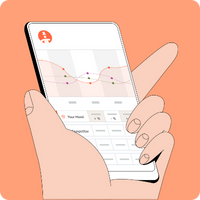
What is the best housekeeping and scheduling software for small hotels?
The best housekeeping and scheduling tools tend to streamline task management, improve communication between departments, and provide real-time updates on room status. Look for features like mobile access for staff, automated scheduling, customisable checklists, and integration with your property management system. The right tool should reduce errors, save time and ensure rooms are guest-ready more efficiently.
Since the constant juggling of numerous tasks can easily overwhelm, it helps to implement a housekeeping solution that has the ability to lighten the load with built-in automation. Being able to forecast factors such as the number of incoming guests or how many staff members are needed for a specific shift, can prove vital in maintaining quality of service.
Choosing to adopt hotel housekeeping software for your small property is a positive business choice, given half of all negative feedback received by hotels is attributed to the readiness and cleanliness of rooms. It’s also been found that 80% of guests would rather give up the internet for the duration of their trip than stay in a dirty hotel.
The ‘best’ tech products on the market make it fast, simple, and affordable. You want software that prioritises ease of use, the ability to be intuitive, and is able to perform many tasks autonomously.
If you’re already using any or all of a property management system, booking engine, channel manager, payments solution, and now housekeeping software the last thing you want to do is operate these independent of each other. You’d end up spending all your time jumping from dashboard to dashboard to update data. The process would be just as clunky and time-consuming as when you were still using pen and paper or excel spreadsheets to run your business
Frequently asked questions on small hotel housekeeping
How does housekeeping affect my bottom line?
Directly and significantly. Cleanliness is consistently the top factor guests cite in reviews, and poor housekeeping is one of the fastest ways to trigger negative ratings that suppress your OTA ranking and reduce future bookings. When housekeeping runs efficiently, rooms are turned faster (meaning you can accept tighter check-in windows or same-day bookings), supply waste drops, and positive reviews compound over time into higher occupancy and stronger ADR.
What is the Minutes Per Room (MPR) for small hotels?
MPR (minutes per room) is the average time it takes to clean and prepare one guest room for the next arrival. For small hotels, a realistic MPR benchmark is 25–35 minutes per room, depending on room size, the level of service offered, and whether a deep clean or a standard turnover is needed. Stayover cleans (where the guest isn’t checking out) are typically faster at around 15–20 minutes. Tracking your MPR helps you schedule realistically, ensuring you meet your cleaning and efficiency goals every time.
How do I measure small hotel housekeeping productivity?
Start with three core metrics: MPR (minutes per room), rooms cleaned per shift, and guest complaint rate related to cleanliness. Together, these tell you whether your team is working at a sustainable pace, whether output matches your occupancy needs, and whether speed is coming at the cost of quality.
If you’re using a property management system like Little Hotelier, room status tracking is built in, which makes it easier to see how long rooms sit in “dirty” status before being marked ready. Review these numbers monthly and look for patterns: if MPR creeps up, it might signal a supply restocking issue or a need for refresher training rather than a performance problem.

By Dean Elphick
Dean is the Senior Content Marketing Specialist of Little Hotelier, the all-in-one software solution purpose-built to make the lives of small accommodation providers easier. Dean has made writing and creating content his passion for the entirety of his professional life, which includes more than six years at Little Hotelier. Through content, Dean aims to provide education, inspiration, assistance, and, ultimately, value for small accommodation businesses looking to improve the way they run their operations (and live their life).
Table of contents


Free ebook
The ultimate A-to-Z guide to Little Hotelier
“Booking is simple and quick, from a phone while outside. It helped me optimize my hotel for searches. I haven't needed online booking sites (or pay their fees).”
Owner, Quincy Hotel