
 Channel Manager
 Direct Booking Engine
 Metasearch
 Insights
 Dynamic Revenue Plus
 Channels Plus
 Property management system
 Payments
 Guest Engagement
 Mobile App
 Website Builder
 Hotel App Store
 Booking Channels
 Partner Programs
 Customer Stories
 Blog
Blog Templates
 eBooks
 Events

 English
 Reading time 5+ mins
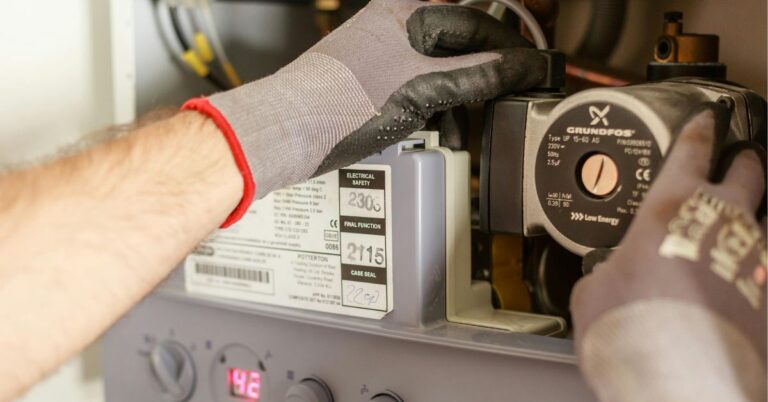
What is small hotel maintenance?
Small hotel maintenance is the process of ensuring your property is properly looked after, so that a great (and safe) guest experience is delivered. It encompasses everything from minor DIY repairs to the servicing of complex systems by third parties. For small, independent hotels, maintenance is about balancing high property standards with an often limited budget.
While large hotels and chains boast 24-hour maintenance departments, in small hotels, upkeep is typically handled by a very small team or by owners themselves. A mix of proactive scheduling and reactive troubleshooting is needed to keep the water hot and the lights on.
It is vital for small properties to adopt a clear and efficient strategy. Successful maintenance management at this scale is about strategic prioritisation. By collaborating and coordinating with their housekeeping teams, owners can identify issues early – a leaking tap, a flickering light – and fix them before they impact the guest experience.
Integrated technology like small hotel management software can also help, by automating administrative tasks and freeing up the owner to conduct physical inspections and manage essential repairs.
Make property maintenance smoother and simpler
Want to streamline your day-to-day processes? Explore how Little Hotelier’s all-in-one management system can improve the efficiency of your operations.
Explore Little Hotelier
Why is small hotel maintenance important?
Consistent maintenance protects the long-term value of a small, independent property while preventing the negative reviews that can result from upkeep issues. Staying on top of maintenance ensures minor cosmetic or mechanical issues don’t disrupt daily operations or lead to expensive emergency repairs. Ultimately, a well-maintained property is a safer, more efficient and more profitable business.
If maintenance tasks are pushed down the priority list – which is tempting when an owner has so many responsibilities – instances of minor wear and tear can escalate into large and very expensive issues. Poorly maintained rooms lead to negative guest reviews, and when a single-star drop in online ratings can reduce your RevPAR by 5 to 9%, you see how this can get very costly over time. For small hotel managers on a tight budget, these preventable expenses can drain cash reserves needed for other business improvements. A reactive approach to maintenance can quickly become a money pit.
Now that guest feedback is instant and public, a stained carpet or unfiltered pool can actively damage your ability to attract customers. Maintenance acts as both a reputational and financial safeguard, ensuring a small leak doesn’t ruin your property, your balance sheet or a guest’s stay.
What are the maintenance responsibilities for a small hotel owner?
Small hotel owners are responsible for all the property’s assets. This spans the entire lifecycle of everything from furniture to HVAC systems, to the building itself, and from daily safety checks to long-term budgeting. The owner is often required to act as a hands-on technician for minor fixes, while managing the admin for bigger and more complex jobs.
The maintenance responsibilities for owners of small, independent hotels typically bridge the gap between housekeeping and engineering. They involve conducting regular walk-throughs to identify hidden issues, managing a schedule for preventive tasks like gutter cleaning or filter changes, and keeping a list of go-to tradespeople for emergency repairs.
Without a dedicated on-site maintenance team, owners will sometimes need to triage work, prioritising urgent repairs over work that can be done later. But non-urgent tasks can never fall too far down the list. Left long enough, they become big and costly issues themselves.
Beyond physical repairs, owners are also responsible for the front desk admin of upkeep: managing a maintenance budget, ensuring the property is fully compliant with local laws, and even keeping tabs on appliance warranties.
Should you outsource hotel maintenance or hire in-house staff?
For most small hotels, outsourcing maintenance is usually the most cost-effective option. Instead of paying a full-time salary, owners can bring in electricians, plumbers or technicians only when specialised work is required, so you only ever pay for the maintenance assistance you need.
As a property grows or maintenance demands increase, hiring in-house support becomes more practical. As a general rule of thumb, if maintenance (or the admin relating to it) consumes more than a third of an owner-operator’s work week, hiring full-time maintenance staff becomes justifiable.
For guidance on finding the right people when you do hire, see our tips on hiring small hotel staff.
Another general rule correlates maintenance hires with property size. Hotels with 25+ rooms will often be able to justify an on-site handyman who can take care of the majority of maintenance and upkeep, while properties with 75+ rooms, or multi-site properties, begin to reach the point of hiring on-site technicians and tradespeople that hold the necessary qualifications to maintain the property’s more complex systems, like plumbing, electrical and HVAC.
Key takeaways
- Small hotel owners are tasked with managing the entire lifecycle of all property assets and systems.
- Managing upkeep requires balancing DIY work with strategic budgeting for larger, trickier issues.
- If maintenance or related admin is taking up more than a third of your work week, hiring dedicated staff can be better than outsourcing.
What are the common challenges of small hotel maintenance?
The primary challenge in small hotel maintenance is balancing limited finances with the need for repairs. Owner-operators also often struggle to be both the jack-of-all-trades doing DIY repairs and the administrator making sure budgeting and compliance are under control. The result of these pressures is often a reactive maintenance cycle where small issues are overlooked until they become big and expensive.
The lack of a dedicated team places the burden of upkeep directly on the owner, leading to maintenance fatigue where tasks like replacing water filters or cleaning the gutters are constantly put off. But when small tasks are ignored, a hotel will suffer from cumulative wear and tear that can eventually lead to a decline in guest satisfaction and a hit to bookings.
Budget constraints can also make small hotels hesitant to bring in (expensive) professionals when they’re required. It’s fine to attempt basic repairs, but owners need to be wary of ‘DIY debt’, where bad in-house repairs need to be done over, which can be more complex and expensive than if the pros were brought in in the first place.
Key takeaways
- Shifting even a small portion of the maintenance budget toward prevention reduces the total cost of reactive emergency repairs over time.
- Without dedicated staff, owners can suffer maintenance fatigue and defer essential work.
- Poorly executed DIY repairs can require more expensive professional fixes later.
What is in a small hotel maintenance checklist?
A small hotel maintenance checklist describes the necessary upkeep for the property, and lists when it should be done by categorising tasks into daily, weekly, monthly, seasonal and ad hoc buckets. It helps hotel owners to maintain standards without being overwhelmed.
Pairing your checklist with documented standard operating procedures ensures every task is completed to a consistent standard, even when different team members handle the work.
Daily and weekly maintenance tasks
- Guest room inspections (lights, battery replacement, window seals).
- Common area walkthroughs to check for hazards/damage.
- HVAC filter checks and dust removal.
- Plumbing spot checks (toilets, taps, showerheads).
- Clearing debris from property entrances and walkways.
- Pool or spa water testing.
- Maintaining the garden.
Monthly and seasonal maintenance tasks
- Fire extinguisher inspections.
- Testing emergency exit lights and doors.
- Testing smoke alarms and carbon monoxide detectors.
- Roof and gutter inspections.
- Professional HVAC servicing.
- Deep cleaning of carpets, upholstery and drapes.
- Pest control inspections and preventative treatments.
- Paint touch-ups.
- Weatherproofing of windows or doors.
- Pool or spa equipment servicing.
- Inspecting and maintaining electrical appliances.
- Trimming trees and shrubs.
Ad hoc and emergency tasks
- Responding to guest-reported issues (broken locks, appliance malfunctions, water leaks).
- Storm or weather damage assessment and temporary repairs.
- Pest issues requiring immediate intervention.
- Appliance or fixture replacements when repair is no longer viable.
How do small hotels prioritise repairs through technology?
Smart hotel maintenance by the numbers:
- Commercial buildings lose 5-30% of energy due to poor maintenance or inefficient equipment.
- Predictive maintenance technologies can reduce maintenance costs by 25–30%.
Technology is playing an ever-greater role in hotel maintenance, even for small, independent properties. Smart systems like Little Hotelier can support preventative maintenance by streamlining the admin and scheduling that competes for an owner or property manager’s time.
Automated scheduling
Digital calendars and maintenance tools ensure that recurring tasks – HVAC servicing, fire safety checks – are never forgotten. By automating these reminders, owners can shift from a stressful and costly reactive approach to a more disciplined, proactive routine.
Prioritisation of repairs
Smart software can help owners categorise maintenance tickets based on their impact on guest safety or revenue. This ensures that a broken air conditioner in an occupied room is addressed immediately, while minor paint touch-ups are scheduled for low-occupancy periods.
Real-time data and predictive sensors
Smart sensors can be integrated into the property to provide instant alerts for issues like sudden water leaks or mechanical issues, before they grow into something bigger. Access to this live information allows owner-operators to intervene early, potentially saving thousands in repair costs. When paired with predictive analytics, these sensors go beyond live alerts. They can forecast when equipment is likely to fail, allowing owners to schedule maintenance before a breakdown disrupts operations or forces a costly emergency call-out.
Maintenance management software
Dedicated maintenance platforms centralise all data, from contractor contact details to appliance warranty information, in one location. This eliminates messy paper trails and powers accurate budgeting and resource allocation.
Technology also supports more energy-efficient maintenance. Hotels implementing energy-efficient maintenance programmes can reduce energy costs by 10–20%, a meaningful saving for small properties where utilities make up a significant share of operating expenses.
Key takeaways
- Automated scheduling shifts a property from reactive to proactive maintenance.
- Smart software can prioritise maintenance based on its direct impact on revenue.
- Real-time data enables early intervention, preventing minor issues from becoming disasters.
Frequently asked questions about small hotel maintenance
What is the average annual maintenance cost for a small hotel?
Most hospitality experts recommend budgeting 3-5% of your total annual revenue for routine maintenance. Failing to maintain this budget can see costs escalate quickly. CBRE’s 2025 Trends in the Hotel Industry report found that maintenance department costs increased by 5.0% in 2024, driven by rising labour costs, supply expenses, and deferred renovation projects.
How do you create a basic annual maintenance budget for a small hotel?
To create a basic budget, allocate 3-5% of your annual revenue to a maintenance reserve, split between fixed and variable costs. Incorporate a 10% contingency fund for emergencies and use your past repair data to forecast when major appliances may need replacing. This proactive approach prevents the ‘fix-it-when-it-breaks’ attitude that can see expenses skyrocket.
What are the essential tools and supplies for a hotel maintenance kit?
A versatile maintenance toolkit should include items like high-quality hand tools (wrenches, screwdrivers, pliers), a digital multimeter for electrical troubleshooting, and a wet/dry vacuum for plumbing emergencies. You should also stock common replacement items such as HVAC filters, LED bulbs, batteries and caulking materials.

By Juhlian Pimping
Juhlian is the SEO and Content Manager at Little Hotelier, the all-in-one hospitality software designed specifically for small accommodation providers like boutique hotels, B&Bs, guesthouses, and inns. With extensive experience creating impactful content in the SaaS space since 2018, he specializes in developing resources that help property owners take back control of their daily operations, boost direct bookings, and enhance guest experiences.
Table of contents


Free ebook
The ultimate A-to-Z guide to Little Hotelier
“Direct bookings immediately deduct deposits via Little Hotelier mobile app. The payment mechanism also allows quick and easy credit card deductions!”
Farm Manager, Manna Hill Farm



Saban Demirbasa,
Head of Hospitality and Branding
Stone Court House