 Channel Manager
 Direct Booking Engine
 Metasearch
 Insights
 Dynamic Revenue Plus
 Channels Plus
 Property management system
 Payments
 Guest Engagement
 Mobile App
 Website Builder
 Hotel App Store
 Booking Channels
 Partner Programs
 Customer Stories
 Blog
Blog Templates
 eBooks
 Events

 English
 Reading time 5+ mins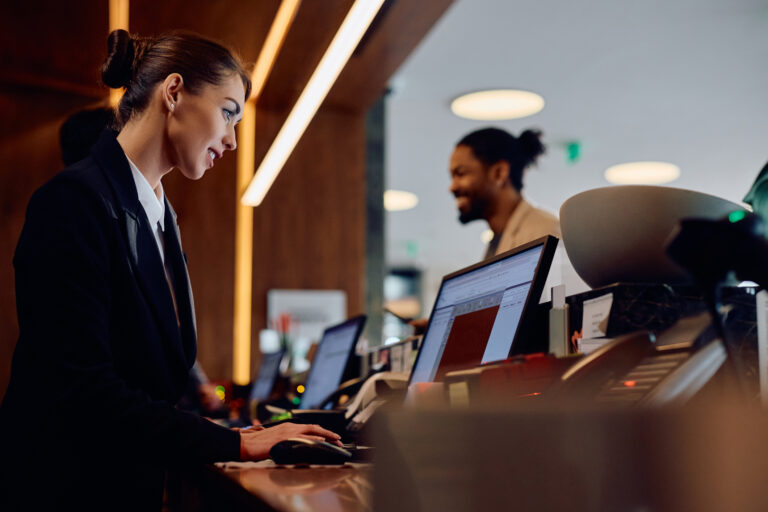
What is hotel management software?
Hotel management software refers to digital tools designed to automate and streamline every aspect of your hotel, from front-desk tasks to back-end admin. These comprehensive solutions can act as the command centre for your property, integrating tools like booking engines, channel managers and guest comms into a single, easy-to-use interface. For small, independent hotels, the technology replaces manual spreadsheets and paper diaries, saving you time and effort while making you more money.
Hotel management software for small hotels, sometimes called property management software (PMS) or booking management software, replaces the fragmented and error-prone manual processes that so often bog down small operators. It automates and synchronises your daily operations, including check-ins, check-outs, housekeeping schedules, invoicing and financial reporting.
The best modern solutions are cloud-based, so your data is updated and saved in real-time, and you can manage your property from anywhere and on any device. A cloud-based channel manager, for example, ensures your room availability is always accurate across all booking channels, eliminating double-bookings.
Manage your property effortlessly with Little Hotelier
Little Hotelier’s all-in-one hotel management solution reduces your workload while empowering you to generate more revenue.
Explore Little Hotelier
Why is hotel management software important for small properties?
Hotel management software is vital for small properties because it eliminates manual errors and centralises daily operations into one efficient platform. It provides an independent hotelier with the professional tools they need to manage bookings seamlessly, helping them stay competitive without increasing their workload.
The true value of this technology is that it allows you to reclaim your time. By automating repetitive tasks such as sending confirmation emails and updating room rates, you’re freed from hours of manual admin. With more time on your hands, you can shift your focus to enhancing the guest experience by personalising every stay. You transform from an administrator to a host, and in the process you allow your property’s unique character to shine through. As a result, you enjoy better reviews and greater guest loyalty.
These systems also typically include channel managers that allow you to control all your listings on sites like Booking.com and Expedia through a single screen. By syncing your inventory in real-time across all platforms, you can update all your room rates and availability in a few clicks, and you’ll never need to worry about double bookings again.
Hotel management software is also important because more and more independent hotels are capitalising on it. Small to mid‑size properties accounted for 57% of the hospitality PMS market share in 2024, and strong growth is expected to continue through to 2030.
Key takeaways:
- Automation reclaims your time by handling repetitive admin tasks and manual booking updates.
- Centralised operations eliminate errors and double bookings, ensuring your property runs efficiently 24/7.
- Integrated channel managers increase visibility on major sites, allowing your independent hotel to compete with major chains.
How does hotel management software work?
Hotel management software works as a centralised hub that connects every part of your property’s operations through the cloud. It stores all your room data, guest details and pricing in a single database that updates in real time across all your devices. This ensures that any change that is made – a new booking, a room status update – is immediately seen everywhere.
At its core, the software functions by replacing paper documents and spreadsheets with a ‘single source of truth’ that is hosted online. By ensuring your records are always up to date, hotel management software ensures different parts of your business always work from the same live information. And these cloud-based systems allow you to manage your hotel from anywhere using a laptop, smartphone or tablet.
The software also allows information to flow beyond your business too. It monitors your inventory and automatically pushes rate and availability updates to the third-party platforms you use to sell rooms. These systems can use automated triggers to handle the mechanical aspects of a booking (updating availability, sending guest comms) with zero manual effort. This ensures your property is visible and bookable 24/7, while your administrative workload is kept to a minimum.
Key takeaways:
- Hotel management software centralises your data to ensure all information stays accurate and consistent.
- Cloud-based tools power real-time updates and allow you to manage your hotel from any device, anywhere.
- Automated triggers can replace previously manual tasks, and can complete them instantly and 100% accurately.
What features should small hotel owners look for in hotel management software?
The right software can be transformational for your hotel:
- 89% of hotel operators report saving 2-10+ hours per week by using a PMS, and 17% save more than 500 hours annually.
- 91% of hoteliers say their PMS directly drives revenue growth through things like direct bookings and rate optimisation.
- In terms of the features that power these efficiencies, 90% of PMS platforms now support integration with channel managers and revenue tools.
What exactly does the best hotel management software for small hotels look like? You’ll want a comprehensive yet easy-to-use platform, built for small, independent hotel businesses like yours, that offers all the functionality you’ll need. A quality solution will include the following list of tools.
Property management system (PMS)
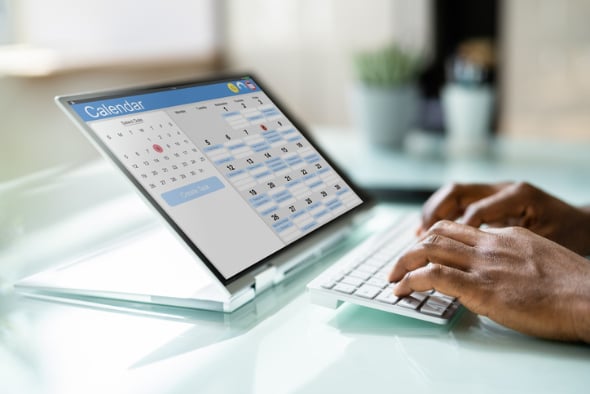
A term that is often used interchangeably with ‘hotel management software’, a PMS acts as the digital front desk of your business, handling the entire guest journey from check-in to departure and beyond. Here you’ll utilise a centralised calendar that allows you to manage room assignments, guest details, billing and payments from one place. This tool does away with paperwork, and ensures that your daily operations are as organised and efficient as possible.
Booking engine
A booking engine allows you to accept direct bookings through your hotel website. This allows you to sidestep the often expensive commissions charged by major booking sites, which are typically 15-25% of the total reservation value. Booking engines also give you total control over the information you gather from guests, and the packages and ancillary services you offer them as part of the booking process, which can significantly increase your RevPAR.
Channel manager
A channel manager synchronises your room inventory and rates across all the booking channels where you list your rooms, including major online travel agencies (OTAs) like Booking.com, Expedia and Airbnb. Whenever a booking is made on one site, the channel manager automatically updates your availability on all the others to prevent double bookings. It also ensures your room rates are consistent across all channels by automatically updating them all at once. You can even tweak hotel information, like front desk hours, across all your listings simultaneously.
Guest communication tools
Guest communication tools deliver automated emails or text messages to your guests at key moments of their journey. You can set up the tool to send instant, personalised booking confirmations, pre-arrival check-in details, post-stay feedback requests and more, without having to draft a single manual note. The best tools take information from your CRM or PMS and use it to customise every message in a way that makes the guest feel special, and that potentially upsells them to higher value services. Guest comms software ensures a professional and personalised guest experience, while saving you hours of repetitive admin.
Reporting and analytics
A modern hotel has access to a vast amount of data, and the answer to almost any business question you care to ask can be found within these zeroes and ones – provided you have the right tools to extract these insights. Reporting and analytics tools are exactly that. They provide insights into the performance of your property by tracking key metrics like occupancy rates and RevPAR. These tools help you understand exactly where your bookings and your revenue are coming from, and give you hints on how to earn more of both. With these insights at your fingertips, you can make better decisions about your room rates, marketing strategy, service offerings and more.
Housekeeping and task automation
Housekeeping and operational tools allow you to manage daily maintenance tasks like room cleaning from a single, simple dashboard. You can instantly see which rooms are ready for new arrivals and which require attention, and you can share this info instantly with your entire team. You can prioritise and deprioritise room cleaning based on when guests check out, and you can schedule in property maintenance tasks to ensure nothing is ever forgotten, from cleaning the pool to servicing your HVAC systems. By automating these internal workflows, you can maintain your high standards of service without the internal paperwork, and without needing to constantly micromanage your team.
Key takeaways:
- A PMS centralises daily operations to replace paperwork, more efficiently manage operations, and enhance the guest experience.
- Direct booking engines drive direct revenue by bypassing third-party commissions and enabling 24/7 sales.
- Integrated automation handles repetitive tasks like guest comms and syncing information across all your booking channels.
What is the best hotel What is the best hotel management software for small hotels?
The best hotel management software for small properties is one that balances functionality with ease of use. The ideal platform should act as that centralised command centre we described at the top: the place from which you can automate the control of everything from front-desk tasks to online distribution, so you can focus on guests rather than admin.
The most effective software for independent hoteliers are ‘all-in-one’ platforms that eliminate the need to connect up multiple disparate systems, which can prove a real (and expensive) headache for a small hotel. Because independent hoteliers often manage every aspect of the business themselves, the best software will be cloud-based and mobile-friendly, allowing you to manage your property from wherever you are.
Cloud-based channel management solutions also ensure that room rates and availability are updated across all your booking channels instantly, which protects your business from double bookings, allows you to make more money through dynamic pricing strategies, and helps you to maintain a consistent and professional online presence while barely lifting a finger.
Beyond the technical features, the best hotel management software for small hotels will understand the unique challenges faced by independently run properties, and will actively work to solve them. You should look for a simple and intuitive interface, and a provider who is willing to offer all the support you could need, in the form of a comprehensive library of self-help resources, and a dedicated support team that is ready to help 24/7.
This is exactly where Little Hotelier excels. Our all-in-one hotel management solution has been designed specifically for independent hotel operators. It helps you to reclaim your time and maximise your profit margins, all through a perfectly intuitive interface. And our support team is always on hand to guide you on how to best use the tool.
There are other hotel management tools on the market too. Some of the most popular include:
- Sirvoy: A hotel reservation and property management system with built-in channel management and booking tools.
- Cloudbeds: A unified platform combining a PMS, channel manager and booking engine.
- STAAH: A cloud-based channel management and online distribution system with real-time inventory updates and analytics.
- eZee Absolute: An all-in-one cloud hotel management system with mobile access and tools for reservations, front desk and channel distribution.
- Eviivo: A property and channel management suite with a booking engine and guest communication features to automate operations.
- RateTiger (Uno by RateGain): A channel and rate management platform that automates pricing and availability across booking channels.
- Hotelogix: A cloud-based property management system that helps hotels manage operations and distribution.
If you have 30+ rooms in your hotel or property and need a more advanced, enterprise-grade platform, you can also try SiteMinder’s hotel management software for free.
FAQs on hotel management software
How much does hotel management software cost?
The cost of a hotel management tool typically depends on the size of your small hotel or property and the specific features you need. Most providers offer a monthly or annual subscription fee, often based on your total room count, that allows you to upgrade to more functionality as your hotel business grows. Many modern systems also offer a free trial period, giving you the chance to see the value before making a financial commitment.
How can I use hotel software to increase direct bookings?
Hotel management software increases direct bookings by allowing guests to book directly with you via your website, rather than third party booking sites that can charge 15-25% booking fees. You can use this extra profit margin to craft enticing direct booking deals: exclusive packages or ‘best rate guarantees’ that incentivise visitors to book with you on your own site. You can then send out offers to previous guests using the guest communication tool. Little Hotelier even comes with a Website Builder that you can use to craft a beautiful and fully functional direct booking website in no time.
How does it integrate with OTAs and my existing systems?
Most modern hotel management solutions use a built-in channel manager to create a seamless two-way connection between your property and sites like Booking.com or Expedia. This ensures that when a room is sold on one platform, your availability is instantly updated across all others (and within your own calendar) to prevent double bookings. These systems are also designed to integrate with payment gateways and other tools to ensure all your business data is up to date and accurate.

By Juhlian Pimping
Juhlian is the SEO and Content Manager at Little Hotelier, the all-in-one hospitality software designed specifically for small accommodation providers like boutique hotels, B&Bs, guesthouses, and inns. With extensive experience creating impactful content in the SaaS space since 2018, he specializes in developing resources that help property owners take back control of their daily operations, boost direct bookings, and enhance guest experiences.
Table of contents


Free ebook
The ultimate A-to-Z guide to Little Hotelier
“The new app is a vast improvement, allowing our personnel to obtain price information while on the go, as well as providing a visual status for each booking.”
Owner, Bruga Villas



Jonathan Kaye,
Operations Director
Cedar Manor